
Analog Miles, Electric Stops
Start here for a road adventure where classic 35mm emulsions meet the hum of modern chargers. We will explore how to plan EV routes for light, choose reliable film stocks, protect rolls from heat at stations, and turn each charging pause into a compelling photographic interlude. Along the way, you will discover safety etiquette, storytelling approaches, and practical timing tricks that help you return home with batteries topped and canisters full of character.
Mapping the Drive for Light, Not Just Range
Plotting an EV road trip for photography means chasing light with the same intensity you track kilowatts. Identify sunrise approaches, side-lighted valleys, and westward views aligned with your charge stops. Blend navigation apps with sun-position tools, account for detours, and keep an eye on weather that can transform routine stations into cinematic sets.
Cameras, Film, and Power in a Battery World
Choosing Trusty 35mm Bodies for the Road
Rangefinders excel for quiet, candid work at stations, while compact SLRs handle telephoto needs and filter use. Test shutter speeds before departure, check foam seals, and clean viewfinders. Bring a wrist strap for quick draws, and use a small pouch to protect cameras from charging-cable scuffs during hurried parking maneuvers.
Film Stocks That Thrive Near Asphalt and LEDs
Portra and Pro Image tame contrast on sun-bleached lots, while Tri‑X or HP5 revel in grit, reflective paint, and chrome rails. For night, consider Cinestill 800T or similar tungsten-balanced options to handle bluish LEDs. Label canisters by ISO and lighting plan, avoiding mid-roll guesswork beside humming transformers.
Meters, Batteries, and Backup Power Without Fuss
Analog cameras sip power, but meters and accessories do not. Pack fresh batteries in a labeled tin, and carry a tiny USB bank dedicated to your meter or phone sun-tracking app. Avoid dangling cables around pedestals; charge devices inside the cabin and return outside with eyes up, ready to frame.
Guarding Emulsion from Heat, Moisture, and Motion
Charging lots are often wind-swept, sunbaked, or unexpectedly damp. Film is tough, yet heat and humidity creep into emulsions, softening contrast and raising grain. Keep rolls insulated, rotate stock thoughtfully, and handle canisters deliberately. Protect gear from trunk heat, and never leave exposed rolls languishing under a windshield while cables click.
Cooler Tricks at Sunbaked Stations
A small insulated lunch bag with a reusable ice pack stabilizes temperature without freezing film. Wrap rolls in a cloth to prevent condensation shocks when stepping into heat. Place the bag in shade, crack windows for airflow, and swap packs at cafés while charging continues, preserving consistent negatives across a long day.
Dust, Drizzle, and Cable Clutter
Parking bays collect grit that finds its way into open backs during hurried reloads. Face away from wind, set the camera on your lap, and shield with a jacket. After rain, wipe pedestals before leaning. Keep lens hoods mounted, and store a microfiber cloth in the door pocket for quick rescues.
Labeling, Logbooks, and Midroute Organization
In the shuffle of maps, receipts, and cables, rolls disappear. Color-code canisters, jot frame counts on gaffer tape, and keep a route log noting station names, light, and developing intentions. Organization prevents double exposures from confusion, and turns your sequence into a coherent journey instead of scattered souvenirs.
Framing the Infrastructure: Cables, Curves, and Quiet Faces
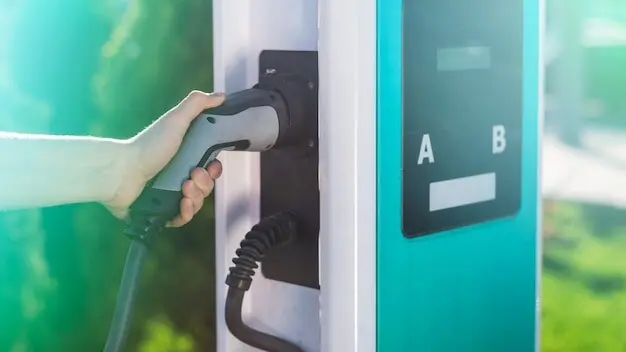
Beauty hides in engineered spaces. Notice repeating bollards, sweeping cable arcs, pylons beyond the fence, and reflections rippling across glossy hoods. Seek layered depth with signage, silhouetted drivers, and rhythm inside parking lines. Blend portraits and landscapes; the station becomes a stage where motion, waiting, and anticipation whisper through the frame.
Geometry of Stands, Bays, and Bollards
Walk the perimeter and let lines guide you. Kneel to exaggerate converging rails, or climb a safe nearby height for patterns. A 35mm lens captures structure without distortion, while a 50mm isolates textures. Wait for a single car to punctuate the grid and give your composition breath.
Night Scenes with Screens and Afterglow
Blue LED screens and taillight reds create instant complementary palettes. Expose for faces lit by dashboards, then let backgrounds fall to moody darkness. Beware flicker from signage; slower shutter speeds can smooth it. Embrace lens flare, raindrops, and reflections to turn routine charging rituals into neon-drenched, cinematic vignettes without heavy postproduction.
People, Privacy, and Quick Portraits During Top-Ups
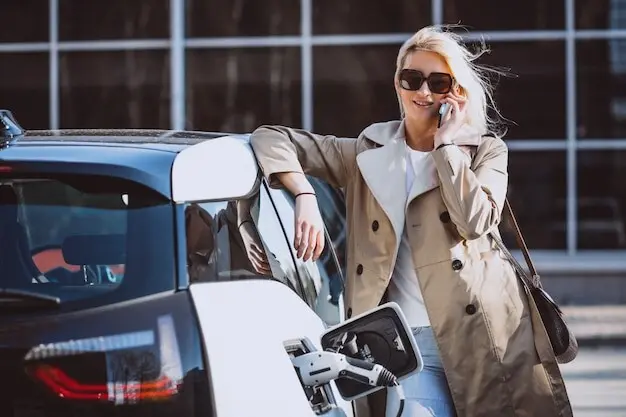
Ask permission with a warm smile and a concise plan, then work fast so drivers can unplug without delay. Offer to share scans later, and carry a small card. Position subjects slightly away from vehicles to reduce clutter, and keep cables safe by minding foot placement and traffic flow.
Exposure Mastery on High-Contrast Pavement
Asphalt, chrome, and glowing interfaces stretch dynamic range beyond casual metering. Favor negative stocks for latitude, expose for the shadows you love, and let highlights sing. Use incident readings where possible, spot meter tricky areas, and bracket sparingly when a fleeting expression or beam of light matters deeply.

From Road to Reel: Sequencing, Scanning, and Sharing
Editing binds scattered stops into a story. Sequence by light progression, charger types, or the evolving mood of drivers as range anxiety fades. Keep notes tied to frame numbers for captions. Scan consistently, retain film color, and present sets that celebrate sustainability without preaching, inviting conversation and repeat journeys from readers.
All Rights Reserved.